The Future of Foldable Phones: What to Expect in the Next 5 Years

Foldable smartphones have moved from novelty to mainstream in just a few short years.
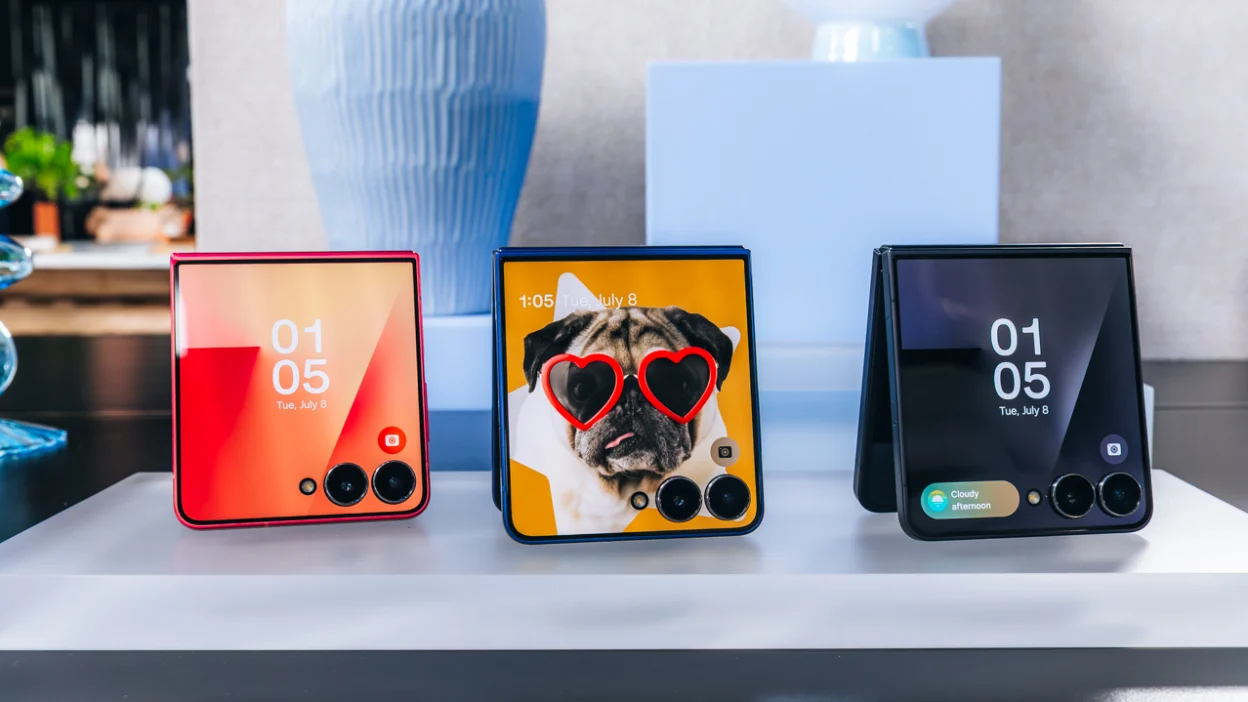
Foldable smartphones have moved from novelty to mainstream in just a few short years. As we head toward 2030, foldable tech is poised to become even more powerful, durable, and innovative. With companies like Samsung, Huawei, Google, and Motorola leading the charge, the next 5 years will define the real potential of foldables in daily life.
1. Improved Durability and Hinge Design
One of the biggest concerns for early adopters has been the fragility of foldable devices. But by 2030, hinge and screen durability is expected to reach new heights.
Expected Innovations:
- Water and dust resistance will become standard
- Hinge life cycles exceeding 1 million folds
- Scratch-resistant ultra-thin glass (UTG) screens
Why It Matters:
- Longer-lasting devices make foldables more practical for everyday use and reduce repair costs.
2. Thinner, Lighter, and Sleeker Designs
Current foldable phones can be bulky, especially when closed. Over the next 5 years, brands will focus on making foldables as slim and portable as standard phones.
Design Trends to Watch:
- Elimination of display creases
- Weight closer to traditional flagships
- Better integration of front cameras without notches
Why It Matters:
- Sleeker foldables will appeal to a broader market, including business users and minimalists.
3. Larger and More Versatile Displays
Foldables offer users the flexibility of multiple screen sizes in one device. Future models will take this further by enhancing display performance and interactivity.
Key Display Features Coming Soon:
- Rollable and tri-fold screens
- 120Hz–240Hz adaptive refresh rates
- OLED and MicroLED integration
Why It Matters:
- A more immersive experience for gaming, streaming, and productivity tasks.
4. Lower Prices and Broader Market Reach
High prices have kept foldables out of reach for many consumers. But by 2028–2030, mid-range foldables will enter the market.
Affordability Improvements:
- Sub-$800 foldable phones
- Wider availability of refurbished foldables
- Budget models from Xiaomi, Realme, and other brands
Why It Matters:
- Foldables will no longer be luxury items but practical choices for everyday users.
5. Advanced Software Optimization
To fully utilize a foldable screen, software needs to evolve alongside hardware. Over the next five years, expect seamless transitions between display modes and app states.
Expected Software Enhancements:
- Android OS foldable-first updates
- More support for split-screen multitasking
- Cross-platform drag-and-drop between apps
Why It Matters:
- Smoother, more efficient workflows improve user satisfaction and productivity.
6. Integration of AI and Smart Features
AI will become a key component in enhancing the foldable phone experience. From battery optimization to personalized UI, smart features will redefine user interaction.
Smart Features Coming Soon:
- Adaptive UI based on folding patterns
- AI-driven split-screen suggestions
- Voice-enabled multi-window controls
Why It Matters:
- Creates a highly personalized, intuitive smartphone experience.
7. Better Battery Performance
Battery life remains a challenge for foldables due to their dual-screen configurations. However, future advancements will focus on energy-efficient chips and better cell distribution.
Battery Upgrades to Expect:
- Graphene-based battery tech
- 5,000mAh+ dual-cell designs
- Fast wireless charging (up to 100W)
Why It Matters:
- Longer usage times with faster charging reduce downtime and improve convenience.
8. Enhanced Camera Systems
Cameras in foldables have often lagged behind traditional flagships. In the next few years, expect foldable phones to include professional-grade camera features.
Camera Trends to Watch:
- Under-display camera improvements
- Fold-specific camera angles and modes
- Periscope zoom and large image sensors
Why It Matters:
- Foldables become true all-in-one devices for content creators and casual users alike.
9. Eco-Friendly Materials and Repairability
Sustainability is becoming a major trend across all tech sectors. Foldables will embrace this with recyclable components and more repair-friendly designs.
Eco-Tech Advancements:
- Modular foldable components
- Biodegradable packaging
- Trade-in and upcycling programs
Why It Matters:
- Encourages greener consumption habits and reduces electronic waste.
10. Expanded Use in Business and Productivity
As foldables get more reliable and powerful, their role in business environments will grow.
Professional Use Cases:
- Foldable tablets replacing laptops for fieldwork
- Real-time multitasking for business apps
- Stylus integration for note-taking and design
Why It Matters:
- Foldables will blur the lines between smartphone, tablet, and PC—boosting work flexibility.
Conclusion
The next 5 years will transform foldable phones from impressive innovations into everyday essentials. With better durability, enhanced displays, smarter software, and more affordable options, foldables are set to disrupt not just how we use phones—but how we think about mobile computing altogether. Whether you're a tech lover, a professional, or just someone looking for the next big upgrade, the future of foldable phones is one to watch closely.