Small Space Living? These Decor Tips Maximize Every Inch

Living in a small space doesn’t mean compromising on style or functionality.
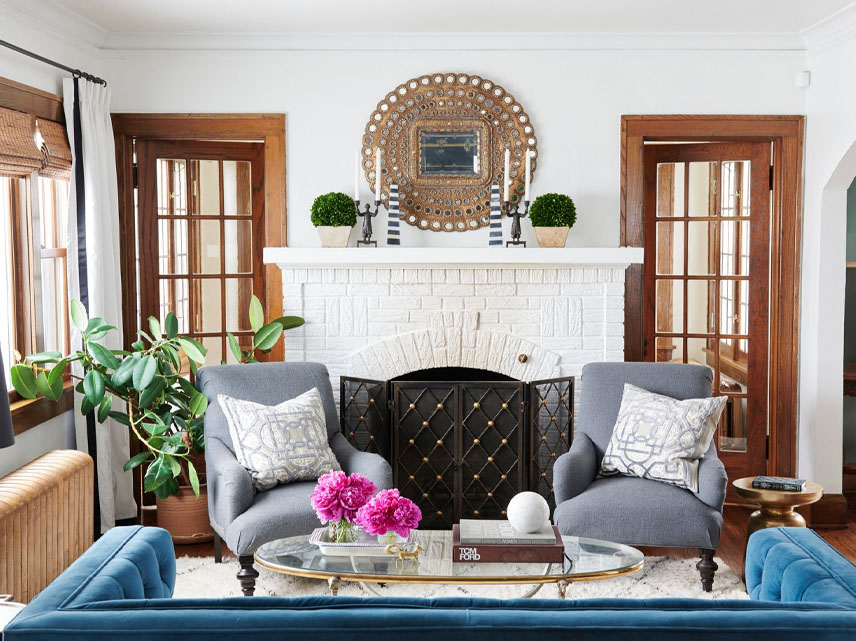
Living in a small space doesn’t mean compromising on style or functionality. With a little creativity and the right strategies, even the most compact homes can feel open, organized, and beautifully designed. Whether you're decorating a studio apartment, a tiny house, or just a cozy corner of a larger home, thoughtful decor choices can help you maximize every inch.
In this blog, we’ll share smart, stylish, and practical decor tips that make small-space living not just manageable—but truly enjoyable.
1. Choose Multi-Functional Furniture
Every piece of furniture should earn its place in a small space. Look for:
- Storage ottomans that double as seating
- Sofas with pull-out beds
- Coffee tables with hidden compartments
- Drop-leaf or extendable dining tables
Multi-functional pieces reduce clutter and improve usability without sacrificing aesthetics.
2. Use Vertical Space Wisely
When floor space is limited, look up. Utilize vertical areas with:
- Floating shelves
- Tall bookcases
- Wall-mounted desks or nightstands
- Hooks, pegboards, or hanging baskets
Vertical storage keeps your floor clear and draws the eye upward, making ceilings feel higher.
3. Stick to a Light and Neutral Palette
Light colors create the illusion of space by reflecting natural light. Use soft tones like:
- White
- Beige
- Light gray
- Pale pastels
Apply these to walls, larger furniture pieces, and window treatments. Add depth with texture and small pops of color through accessories.
4. Use Mirrors to Expand the Room
Mirrors visually double your space by reflecting light and surroundings. Hang a large mirror on a main wall, place mirrored furniture, or try mirrored backsplash panels in kitchens and bathrooms.
They brighten dark corners and make narrow spaces feel more open.
5. Opt for Open-Frame Furniture
Furniture with exposed legs and open frames takes up less visual weight, helping your space feel less crowded. Consider:
- Wire or acrylic chairs
- Floating consoles
- Glass or marble-top tables with slim bases
These elements allow light and sightlines to pass through, giving an airy, minimalist appearance.
6. Define Zones with Rugs or Lighting
In open or multi-use rooms, define different zones for living, dining, or working using area rugs or distinct lighting. This organizes the space visually and helps maintain functionality without adding walls or dividers.
Each zone feels intentional—even in the smallest layout.
7. Declutter and Use Stylish Storage
Clutter is magnified in small spaces. Keep surfaces clear and organized with:
- Decorative baskets
- Stylish bins
- Floating boxes
- Closed cabinets with minimal hardware
Choose storage pieces that blend with your decor so they feel like part of the design, not an afterthought.
8. Choose Sliding or Pocket Doors
Swinging doors take up valuable square footage. If possible, replace them with:
- Sliding barn doors
- Pocket doors
- Curtains for closets or dividers
This saves space and adds a touch of modern or rustic charm, depending on your style.
9. Install Wall-Mounted Lighting
Skip bulky floor and table lamps. Wall-mounted sconces and adjustable swing-arm lamps free up valuable surface space while still adding warmth and ambience.
Perfect for:
- Bedside lighting
- Small entryways
- Reading corners
They bring function and a designer look to even the tightest spots.
10. Embrace Clear and Reflective Materials
Glass, acrylic, and mirrored materials reduce visual bulk and help the space feel larger. Try:
- A glass coffee table
- Acrylic dining chairs
- Reflective finishes on decor or cabinetry
These elements keep the room feeling open and light without sacrificing style.
11. Make Every Nook Work Hard
Turn awkward corners or small walls into usable space:
- Add a floating desk for a compact home office
- Create a reading nook with a chair and wall shelf
- Use a bar cart as a mobile storage solution
Think creatively to transform overlooked areas into functional highlights.
12. Keep Window Treatments Simple
Heavy drapes can overwhelm a small room. Opt for:
- Light, airy curtains
- Roman or roller shades
- Floor-to-ceiling curtain panels (to visually elongate walls)
Let natural light in as much as possible—it’s the best tool to visually expand a space.
Conclusion
Small space living challenges you to be intentional, but it also opens the door to smarter, more stylish design. By embracing vertical space, multi-purpose furniture, light colors, and sleek storage solutions, you can make your home feel larger, more organized, and beautifully curated.
With these tips, every inch of your space can work harder—and look better—than ever before.