Rugs That Tie the Room Together (and Where to Place Them)

Rugs are more than just floor coverings—they’re foundational pieces that can define a room, anchor furniture, and add layers of color and texture.
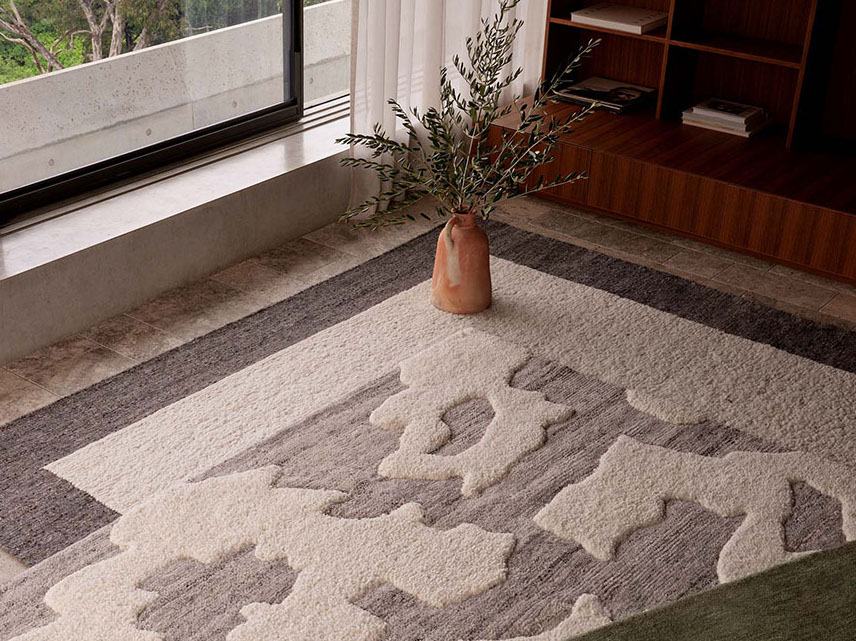
Rugs are more than just floor coverings—they’re foundational pieces that can define a room, anchor furniture, and add layers of color and texture. The right rug has the power to tie your entire space together, creating visual harmony and cozy comfort underfoot.
In this blog, we’ll explore how to choose the perfect rug for different rooms and how to place it for maximum impact. Whether you're decorating a living room, bedroom, or dining area, these rug styling tips will help you transform your space from the ground up.
1. Why Rugs Matter in Interior Design
Rugs serve multiple purposes in home decor:
- They ground furniture and define specific zones, especially in open-plan spaces.
- They add warmth and softness, both visually and physically.
- They enhance color palettes and textures, tying various decor elements together.
- They absorb sound and improve acoustics in large or echo-prone rooms.
Choosing the right rug enhances both function and aesthetics, making it a key design element in any room.
2. Living Room Rug Placement Tips
In the living room, rug placement depends on your furniture layout and the room’s size.
Option 1: All Legs on the Rug
- Ideal for large rooms.
- The rug extends under all major furniture pieces—sofa, chairs, and coffee table.
- Creates a unified, anchored look.
Option 2: Front Legs Only
- Works well in medium-sized spaces.
- The front legs of the sofa and chairs rest on the rug, with the back legs off.
- Offers visual connection without overwhelming smaller spaces.
Option 3: Coffee Table Only
- Best for small rooms or when layering over carpet.
- Rug fits just under the coffee table, with all other furniture off the rug.
- Choose a bold pattern or texture to create a focal point.
3. Bedroom Rug Placement Guide
Rugs in bedrooms add warmth and softness underfoot while visually framing the bed.
Option 1: Under the Entire Bed
- The rug extends under the whole bed and nightstands.
- Suitable for larger rooms with space to spare.
Option 2: Two-Thirds Under the Bed
- A popular choice for queen and king beds.
- The rug starts around halfway down the bed and extends beyond the foot and sides.
- Leaves nightstands off the rug, saving space and cost.
Option 3: Runners on Each Side
- Ideal for small bedrooms.
- Place narrow rugs or runners on each side of the bed for symmetry and comfort.
4. Dining Room Rug Placement
A rug under a dining table defines the eating area and adds comfort.
Key Rule: The rug should be large enough that all chairs remain on the rug—even when pulled out. Add at least 24 inches to each side of your table’s dimensions to ensure proper coverage.
Opt for low-pile or flat-weave rugs for easy cleaning and to avoid catching chair legs.
5. Entryway Rug Ideas
Entryways benefit from rugs that are durable, welcoming, and proportionate to the space.
- Use runners or rectangular rugs that match the shape of the hallway or foyer.
- Choose materials like jute, sisal, or washable synthetics for high-traffic durability.
- Consider a patterned rug to hide dirt and add personality right at the door.
6. Kitchen and Bathroom Rugs
Though not traditional spaces for rugs, kitchens and bathrooms can benefit from small mats or runners.
In the kitchen:
- Place a runner between cabinets and islands or in front of the sink.
- Opt for stain-resistant, washable materials.
In the bathroom:
- Use plush mats in front of the vanity or tub.
- Choose quick-drying and slip-resistant options.
7. Size Matters: Choosing the Right Rug Dimensions
Using a rug that’s too small is one of the most common decor mistakes. When in doubt, go larger. Proper sizing makes a room feel balanced and well-planned.
General guidelines:
- Living room: 8x10 ft or larger for standard layouts
- Bedroom: 6x9 ft for queen beds, 8x10 ft for king beds
- Dining room: 8x10 ft or more depending on table size
- Entryway: 3x5 ft or 2.5x7 ft runner
Always measure your space and furniture footprint before buying.
8. Layering Rugs for Depth and Texture
Layering rugs is a stylish way to add dimension, especially in neutral spaces. Try layering a smaller patterned rug over a larger neutral jute or flatweave base.
This technique works well in boho, eclectic, or modern rustic interiors and allows for more experimentation with colors and patterns.
9. Match Your Rug to the Room’s Style
Choose rug materials and designs that enhance your overall decor style:
- Modern: Geometric patterns, monochrome tones, low pile
- Bohemian: Vintage or tribal prints, bold colors, fringe
- Scandinavian: Light neutrals, soft textures, minimal patterns
- Traditional: Oriental or Persian-style rugs, rich color palettes
- Coastal/Farmhouse: Natural fibers, soft blues, woven textures
The rug should feel like a natural extension of the room's theme.
10. Keep Maintenance in Mind
Rugs require care to stay beautiful and functional. Regular vacuuming, spot cleaning, and rotating can extend their life. For households with pets or children, look for rugs labeled as washable, stain-resistant, or indoor/outdoor.
Investing in a quality rug pad also adds comfort, prevents slipping, and extends rug longevity.
Conclusion
The right rug does more than just decorate—it connects your space, defines layout, and enhances comfort. Whether you choose a bold centerpiece or a subtle backdrop, a well-placed rug brings cohesion and warmth to your home.
By selecting the right size, placement, and style for each room, you can turn your floors into the foundation of truly beautiful design.