Recovery Strategies for Endurance Athletes

Endurance athletes push their bodies to the limit with long-distance training sessions, intense workouts, and grueling competitions.
Endurance athletes push their bodies to the limit with long-distance training sessions, intense workouts, and grueling competitions. However, proper recovery is just as crucial as the training itself. Without adequate recovery, athletes risk overtraining, injury, and burnout. Recovery strategies for endurance athletes are essential for promoting muscle repair, reducing fatigue, and enhancing performance in future workouts. In this blog, we’ll explore the best recovery strategies, the science behind recovery, and tips for maximizing the body’s ability to recover and perform.
Why Recovery is Critical for Endurance Athletes
Endurance athletes typically engage in high-intensity, long-duration activities, which place significant stress on muscles, joints, and the cardiovascular system. During training, microscopic damage occurs to muscles and tissues, and recovery allows for repair and strengthening. Without proper recovery, athletes risk not only diminishing their performance but also increasing their chances of injury.
Key benefits of recovery:
- Reduces muscle soreness and fatigue
- Promotes muscle repair and growth
- Prevents injuries caused by overuse or strain
- Enhances performance in subsequent workouts
- Improves mental focus and motivation
Types of Recovery: Active vs. Passive
There are two primary types of recovery: active recovery and passive recovery. Both are essential components of an athlete’s recovery plan, and each plays a different role in the process.
1. Active Recovery
Active recovery refers to low-intensity activities that promote blood flow and reduce muscle stiffness without overloading the body. It helps to accelerate the removal of metabolic waste products (like lactic acid) and delivers fresh oxygen and nutrients to fatigued muscles.
Benefits of active recovery:
- Increases circulation and oxygen delivery to muscles
- Reduces muscle stiffness and soreness
- Helps clear metabolic waste from the body
- Stimulates the repair process without taxing the body
Examples of active recovery activities:
- Light jogging or cycling
- Swimming at an easy pace
- Yoga or stretching
- Walking or hiking on flat terrain
- Foam rolling or self-massage
2. Passive Recovery
Passive recovery involves complete rest, where the body is allowed to recover without any physical exertion. This type of recovery is essential for deep tissue repair, as the muscles and joints have time to rest and rebuild.
Benefits of passive recovery:
- Allows muscles to repair and rebuild
- Reduces the risk of overtraining and burnout
- Promotes mental relaxation and reduces stress
Examples of passive recovery activities:
- Complete rest days with no physical activity
- Sleep and relaxation techniques
- Stretching and foam rolling on rest days
- Ice baths or contrast showers for muscle recovery
Key Recovery Strategies for Endurance Athletes
Recovery should be approached holistically, focusing on several components that promote both physical and mental recovery. Here are some of the most effective recovery strategies for endurance athletes.
1. Sleep and Rest
One of the most important aspects of recovery is sleep. During sleep, the body repairs muscle tissue, restores energy levels, and synthesizes proteins that aid in muscle growth. Quality sleep also supports cognitive function and reduces mental fatigue, allowing athletes to stay focused and motivated.
Sleep recommendations for endurance athletes:
- Aim for 7-9 hours of quality sleep per night
- Prioritize deep sleep and REM sleep for muscle repair
- Create a sleep-friendly environment (dark, quiet, and cool room)
2. Nutrition for Recovery
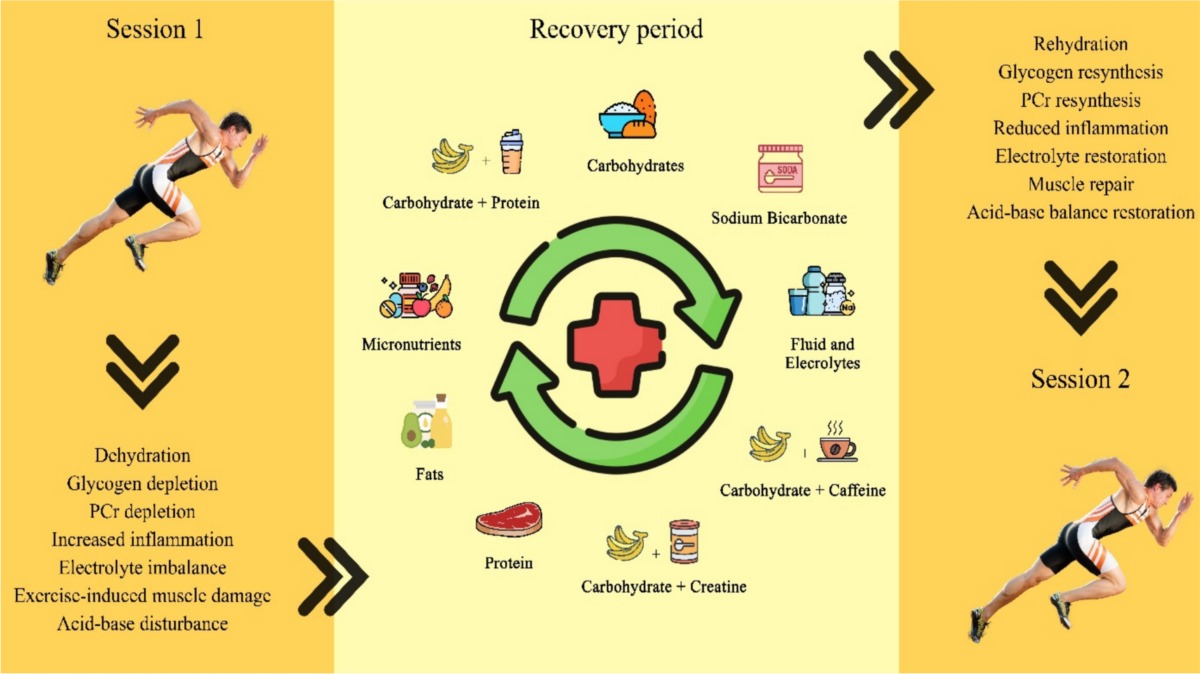
Nutrition plays a crucial role in replenishing glycogen stores, repairing muscle tissue, and rehydrating the body after intense endurance exercise. Consuming the right nutrients in the right amounts can significantly speed up the recovery process.
Post-exercise nutrition tips:
- Carbohydrates: Replenish glycogen stores with high-carb foods (whole grains, fruits, potatoes).
- Protein: Consume 10-20g of protein after exercise to support muscle repair (chicken, tofu, yogurt).
- Fats: Include healthy fats (avocados, nuts, olive oil) to support recovery.
- Hydration: Rehydrate with water or an electrolyte drink to replenish lost fluids and minerals.
3. Stretching and Mobility Work
Stretching helps maintain flexibility and range of motion, while mobility exercises can improve joint function and reduce stiffness. It’s important to incorporate both dynamic stretches (before exercise) and static stretches (after exercise) to promote optimal muscle function.
Stretching and mobility tips:
- Stretch major muscle groups after each workout to reduce tightness.
- Incorporate foam rolling to release muscle knots and improve tissue elasticity.
- Perform dynamic stretches before workouts to prepare muscles for movement.
- Include yoga or Pilates sessions to improve flexibility and joint mobility.
4. Ice Baths and Contrast Showers
Ice baths (or cold-water immersion) and contrast showers (alternating between hot and cold water) are popular recovery techniques for reducing muscle inflammation, promoting circulation, and accelerating the healing process.
Benefits of ice baths and contrast showers:
- Reduce muscle soreness and inflammation
- Improve blood flow and oxygen delivery to muscles
- Speed up recovery between intense training sessions or races
How to use these techniques:
- For ice baths, immerse your body in cold water (50-59°F) for 10-15 minutes after a workout.
- For contrast showers, alternate between hot (2-3 minutes) and cold (30 seconds-1 minute) water for 10-15 minutes.
5. Foam Rolling and Massage
Foam rolling and self-massage are effective ways to target tight or sore muscles. Foam rolling helps to release tension in the fascia (connective tissue surrounding muscles), improving flexibility and reducing muscle stiffness. Self-massage with tools such as a massage gun can help with recovery by stimulating blood flow and easing muscle knots.
Foam rolling and massage benefits:
- Reduces muscle tightness and improves tissue quality
- Alleviates soreness and promotes flexibility
- Increases blood circulation and oxygen delivery to muscles
How to foam roll effectively:
- Roll slowly over each muscle group, focusing on any tight spots.
- Spend 1-2 minutes on each muscle group (hamstrings, quads, calves, back).
- Avoid rolling directly on joints or bones.
6. Active Stretching and Mobility Sessions
Incorporating active stretching and mobility sessions into your recovery routine can improve overall flexibility and joint health. These sessions are typically low-intensity and can be done on rest days or after intense workouts.
Active stretching and mobility tips:
- Perform leg swings, hip circles, and shoulder rotations to improve joint function.
- Use resistance bands to work on muscle activation and mobility.
- Hold stretches for 30 seconds to improve flexibility.
Conclusion
Recovery is an essential part of any endurance athlete's training program. By combining active and passive recovery strategies—such as proper sleep, nutrition, stretching, and specific recovery techniques—athletes can reduce the risk of injury, enhance performance, and improve their overall fitness. Remember, the effort you put into recovery directly impacts your ability to train and perform at your best. Make recovery a priority to maximize your endurance and stay injury-free.