How to Improve Skin Elasticity Naturally

Skin elasticity refers to the skin’s ability to stretch and bounce back to its original shape.
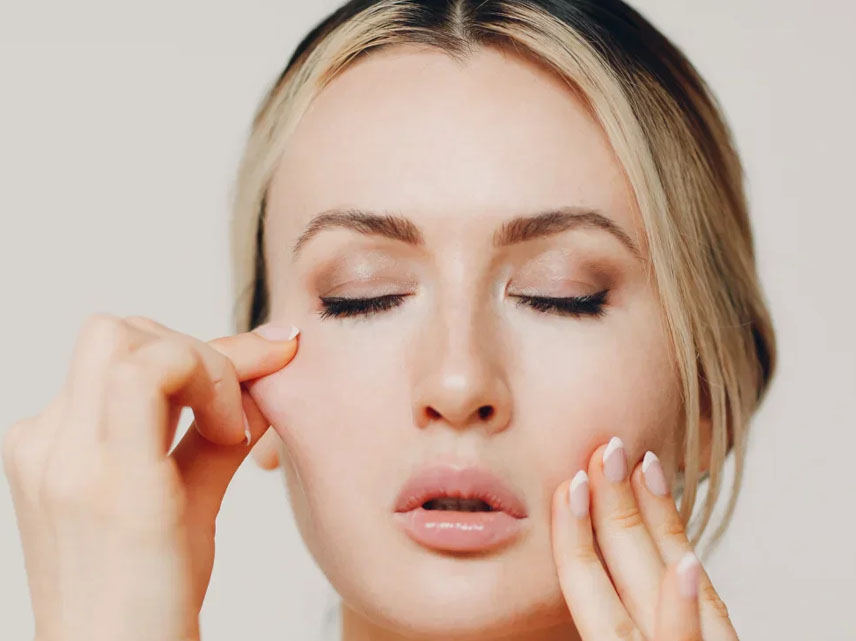
Skin elasticity refers to the skin’s ability to stretch and bounce back to its original shape. It is an essential factor in maintaining a youthful and healthy appearance. As we age, our skin's elasticity decreases due to factors like reduced collagen production, sun exposure, and poor lifestyle choices. Fortunately, there are several natural methods you can incorporate into your skincare routine and lifestyle to help improve and maintain your skin’s elasticity. In this article, we’ll explore the best natural ways to enhance skin elasticity and achieve firmer, more youthful-looking skin.
Why Skin Elasticity Matters
Skin elasticity is crucial for maintaining the skin’s firmness and preventing sagging. Collagen and elastin, two essential proteins found in the skin, are responsible for giving the skin its strength, structure, and ability to stretch. Over time, the production of these proteins decreases, leading to looser skin, fine lines, and wrinkles. By supporting the skin’s natural ability to regenerate and maintain these proteins, you can preserve a more youthful and toned appearance.
Benefits of improved skin elasticity:
- Firmer, more youthful-looking skin
- Reduced appearance of fine lines and wrinkles
- Improved overall skin texture and tone
- Enhanced skin hydration and smoothness
1. Hydrate Your Skin
Hydration is one of the most effective ways to improve skin elasticity. When your skin is properly hydrated, it remains plump, firm, and supple. Dehydration, on the other hand, can lead to dry, saggy skin and a loss of elasticity. Drinking enough water and using a moisturizing skincare routine can help retain moisture and improve skin health.
Hydration tips:
- Drink at least 8-10 glasses of water per day to keep your skin hydrated.
- Use a moisturizing serum or hyaluronic acid after cleansing to lock in moisture.
- Apply a rich moisturizer containing ingredients like glycerin, squalane, or ceramides to maintain the skin’s moisture balance.
- Consider using a humidifier at home, especially during colder months, to keep the air moist and prevent skin dryness.
2. Eat Collagen-Boosting Foods
Collagen is the protein responsible for giving the skin its elasticity and strength. As we age, the body’s natural collagen production declines, which can lead to sagging and wrinkles. However, certain foods can help boost collagen production, keeping your skin firm and elastic.
Top collagen-boosting foods:
- Bone broth is rich in collagen and amino acids that help to stimulate collagen production.
- Vitamin C-rich foods like oranges, strawberries, and bell peppers support collagen synthesis.
- Egg whites are packed with proline, an amino acid essential for collagen formation.
- Leafy greens such as spinach and kale provide antioxidants that protect against free radicals and support skin health.
- Nuts and seeds like almonds and flaxseeds contain essential fatty acids that help maintain skin structure and hydration.
- Incorporate these foods into your diet regularly to naturally support collagen production and improve skin elasticity.
3. Use Anti-Aging Skincare Products
Incorporating anti-aging skincare products into your routine can help support and enhance the skin’s natural elasticity. Look for products that contain ingredients known to stimulate collagen production, improve skin hydration, and fight the signs of aging.
Skincare ingredients to look for:
- Retinoids (Vitamin A) stimulate collagen production and promote cell turnover, improving skin texture and elasticity.
- Vitamin C brightens the skin, protects against sun damage, and boosts collagen production.
- Peptides are short chains of amino acids that help improve skin elasticity by supporting the skin’s natural structure.
- Alpha-hydroxy acids (AHAs) like glycolic acid gently exfoliate the skin, encouraging the production of new skin cells.
- Hyaluronic acid hydrates and plumps the skin, helping it appear firmer and smoother.
- Look for products that combine these powerful ingredients to promote healthy, elastic skin.
4. Sun Protection Is Essential
Excessive sun exposure can significantly damage the skin and reduce its elasticity. UV rays break down collagen and elastin fibers, leading to premature aging, sagging, and wrinkles. Protecting your skin from the sun’s harmful rays is crucial for maintaining elasticity and preventing further damage.
Sun protection tips:
- Apply a broad-spectrum sunscreen with an SPF of 30 or higher every day, even on cloudy days.
- Reapply sunscreen every two hours if you are outdoors for extended periods.
- Wear protective clothing, including a wide-brimmed hat, sunglasses, and long sleeves, to shield your skin from direct sunlight.
- Avoid sun exposure during peak hours (10 a.m. to 4 p.m.), when UV radiation is the strongest.
- Consistently protecting your skin from the sun will help preserve its elasticity and prevent sun damage that accelerates aging.
5. Exercise to Boost Circulation
Regular exercise doesn’t just benefit your overall health—it’s also great for your skin. Exercise increases blood flow, which helps deliver oxygen and nutrients to skin cells, promoting a healthier, firmer appearance. Additionally, exercise can reduce stress, which has a direct impact on skin health.
Exercise tips for better skin elasticity:
- Engage in aerobic exercises like walking, running, or swimming to increase blood circulation and oxygen delivery to your skin.
- Practice facial exercises to tone and tighten the skin, particularly around the jawline, cheeks, and neck.
- Include strength training in your routine to increase collagen production and promote skin firmness.
- By improving circulation and encouraging collagen synthesis, exercise helps keep your skin firm and elastic.
6. Quit Smoking
Smoking is one of the most harmful habits for your skin. It accelerates the aging process by reducing blood flow, impairing collagen production, and causing the breakdown of elastin fibers. This leads to dull, sagging skin and a loss of elasticity. Quitting smoking will have a significant positive impact on your skin’s health and elasticity.
Why quitting smoking helps your skin:
- Smoking reduces oxygen and nutrients reaching the skin, leaving it looking dull and lifeless.
- It accelerates the breakdown of collagen and elastin, leading to premature wrinkles and sagging.
- Stopping smoking allows the skin to regenerate, promoting a firmer, more youthful appearance.
- If you’re a smoker, quitting will not only improve your overall health but also benefit your skin’s elasticity.
7. Facial Massage for Skin Firmness
A simple yet effective way to enhance skin elasticity is by incorporating a facial massage into your skincare routine. Massaging the face can stimulate blood flow, improve lymphatic drainage, and increase collagen production, leading to firmer, more elastic skin.
Facial massage techniques:
- Use your fingertips to gently massage your face in circular motions, focusing on areas prone to sagging, such as the jawline and cheeks.
- Apply a facial oil or moisturizer before massaging to provide slip and nourishment.
- Incorporate a gua sha or jade roller for additional benefits, as these tools can help promote lymphatic drainage and improve skin texture.
- By regularly massaging your face, you’ll encourage better circulation and enhance skin elasticity.
Final Thoughts
Improving skin elasticity naturally requires a combination of good habits, a nourishing diet, and effective skincare. By hydrating your skin, boosting collagen production, using anti-aging skincare products, protecting your skin from the sun, and adopting a healthy lifestyle, you can maintain youthful, firm skin. Consistency is key, and with the right practices in place, your skin will remain elastic, hydrated, and glowing for years to come.